

That One Cracked Tooth Could Be Doing More Damage Than You Think
- Dec 22, 2025
- 3 min read
Updated: Jan 20
A cracked tooth can allow bacteria to enter the inner layers of the tooth, leading to infection, nerve damage, and the need for a root canal if left untreated. Early treatment can often prevent pain, infection, and more complex dental procedures. If you suspect a crack, seeing a dentist right away is critical.
It Started as “Nothing Serious”
At Avalon Dental Center, we often hear patients say:
“I thought it was just a small crack.”
Unfortunately, that assumption can be costly.
Today’s story is about an anonymous patient whose minor cracked tooth turned into something much more serious—simply because treatment was delayed.
A True Patient Story: When Waiting Made Things Worse
The Situation:A patient in their early 40s noticed occasional sharp pain when biting down on one of their back teeth. There was no constant pain, no swelling, and no visible damage—just an occasional twinge.
They assumed:
It was sensitivity
It would go away on its own
It wasn’t urgent
So they waited.
The Delay
Over the next few months:
The pain became more frequent
Cold drinks triggered discomfort
Chewing on that side became difficult
Still, life was busy. The tooth didn’t always hurt, so the appointment kept getting postponed.
The Turning Point
One weekend, the pain became intense—constant, throbbing, and impossible to ignore. The patient finally came in for an emergency visit.
After an exam and digital X-rays, we found:
A cracked tooth extending into the inner pulp
Bacterial infection inside the tooth
Inflammation of the nerve
The result? A root canal was now necessary to save the tooth.
Why a Cracked Tooth Gets Worse Over Time
A cracked tooth doesn’t heal on its own. Even small cracks can:
Allow bacteria to seep into the tooth
Irritate or infect the nerve
Weaken the tooth structure
Spread infection to surrounding bone
Common Causes of Cracked Teeth:
Chewing ice or hard foods
Teeth grinding (bruxism)
Old fillings or dental work
Trauma or injury
Natural wear over time

Cracked Tooth Symptoms You Shouldn’t Ignore
Cracked teeth are tricky—they don’t always hurt right away.
Warning Signs Include:
Sharp pain when biting or releasing
Sensitivity to hot or cold
Pain that comes and goes
Discomfort without visible damage
Swelling near the tooth (in later stages)
Important: Intermittent pain is often a sign of a crack—not something to “wait out.”
Early Treatment vs. Delayed Treatment
Early Action Could Mean:
Simple bonding
A dental crown
Preserving the tooth nerve
Lower cost and faster recovery
Delaying Can Lead To:
Infection or abscess
Tooth fracture beyond repair
Tooth extraction
How We Treat a Cracked Tooth at Avalon Dental Center
Treatment depends on how deep the crack goes.
Possible Treatments:
Dental bonding (for minor surface cracks)
Dental crown (to protect and stabilize the tooth)
Root canal therapy (if the nerve is infected)
Extraction (only when the tooth cannot be saved)
Our goal is always to save your natural tooth whenever possible.
FAQ: Cracked Tooth Questions Answered
1. Is a cracked tooth a dental emergency?
It can be. If you have pain, sensitivity, or difficulty chewing, you should see a dentist right away.
2. Can a cracked tooth heal on its own?
No. Once cracked, a tooth cannot repair itself. Early treatment prevents worsening damage.
3. Do all cracked teeth need a root canal?
No. Root canals are only needed if the crack reaches the nerve. Early care often avoids this.
4. How is a cracked tooth diagnosed?
Through an exam, digital X-rays, and sometimes bite tests or special imaging.
5. What happens if I ignore a cracked tooth?
Ignoring it can lead to infection, severe pain, tooth loss, and more expensive treatment.
Don’t Wait Like This Patient Did
That patient’s tooth was saved—but only after a root canal that could have been avoided with earlier care.
If you’re experiencing any signs of a cracked tooth, even mild ones, now is the time to act.
Call Avalon Dental Center at (617) 374-9500 or schedule an appointment online. Early treatment can mean the difference between a simple fix and major dental work.


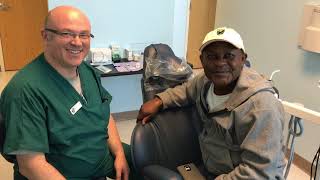


A cracked tooth may seem like a minor issue, but even a small fracture can lead to serious problems such as tooth sensitivity, infection, worsening damage, and even tooth loss if left untreated. Early diagnosis and treatment are key to protecting your oral health and avoiding more complex procedures down the road. If you're experiencing discomfort or suspect a damaged tooth, Burwood Diamond Dental website offers professional dental care, advanced diagnostic technology, and personalized treatment options to help restore your smile and prevent further complications. Their experienced team can assess the extent of the damage and recommend the most effective solution for long-term dental health.
JigsawMake My kids actually ask to do these word searches. Being able to put in our own vocabulary words makes it educational too.